Stack Order: a spatial roguelite deckbuilder with hand-drawn art
Stack Order from Panflip Studio is a narrative roguelite deckbuilder on Mac that casts the player into a handcrafted world consumed by corruption, asking them to probe its mystery through tactical card duels. The core gameplay pairs a spatial stacking system with turn-based boss encounters, supporting over 100 unlockable cards and multiple protagonists. Fans of strategy deckbuilders who value deep mechanical experimentation and strong visual identity will find a deliberate, puzzle-focused experience here.
How does the game differ from other deckbuilders?
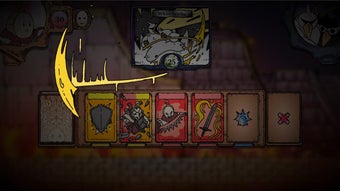
Where a title like Slay the Spire emphasizes card sequencing and upgrades, the game makes board position the decisive variable. The Strategic Stacking System assigns effects to vertical and adjacent placement, so each decision is both spatial and tactical. That shift favors planning and pattern recognition, and it reframes runs as puzzles to solve rather than purely statistical card battles.
Does combat play like tactical puzzles or fast card clashes?
Combat centers on tense one-on-one duels where enemies telegraph moves and the player counters through placement and timing. Chain reactions trigger when cards are stacked adjacent or vertically, and the pool exceeds 100 unlockable cards plus modifiers and items. Multiple protagonists offer distinct archetypes, so learning a run means both mastering a character and experimenting with spatial combos.
What does the game look and feel like in motion?
The title adopts a living graphic novel aesthetic, with hand-drawn visuals and handcrafted animations that give each duel a staged, surreal quality. The psychedelic tone colors character art and backgrounds, making matches read like moving comic panels. Development in the Godot engine supports these animated assets and the game's cross-platform potential for Mac and PC players.
Is it hard to get started and how does progression hold up?
The learning curve emphasizes spatial reasoning over reflexes; mastering placement and chain reactions takes deliberate experimentation. Boss telegraphs lower reliance on luck, so outcomes respond to planning rather than random draws. Unlockable cards and branching narrative chapters provide incentives for repeat runs, and the game's tabletop origins help explain encounter design that rewards methodical, puzzle-driven play.
In summary: a natural fit for players who enjoy methodical, story-led card runs
In summary, the game suits players who prefer deliberate, puzzle-oriented card runs and narrative exploration, rewarding patience and experimentation across multiple protagonists. Players who favor quick, casual matches or minimal setup time may find the methodical pace and positional focus less appealing. Plan for focused sessions to explore its systems fully.